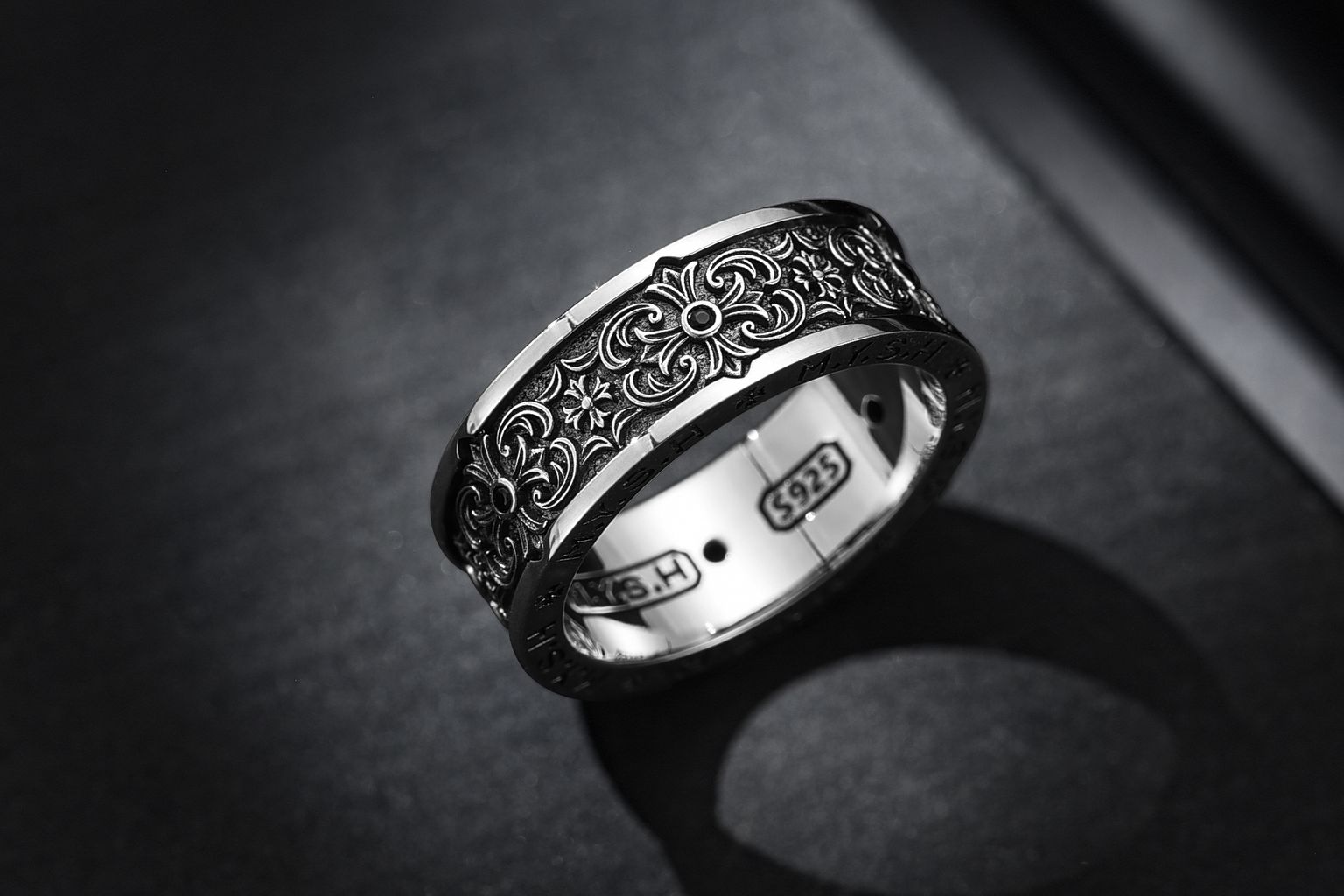

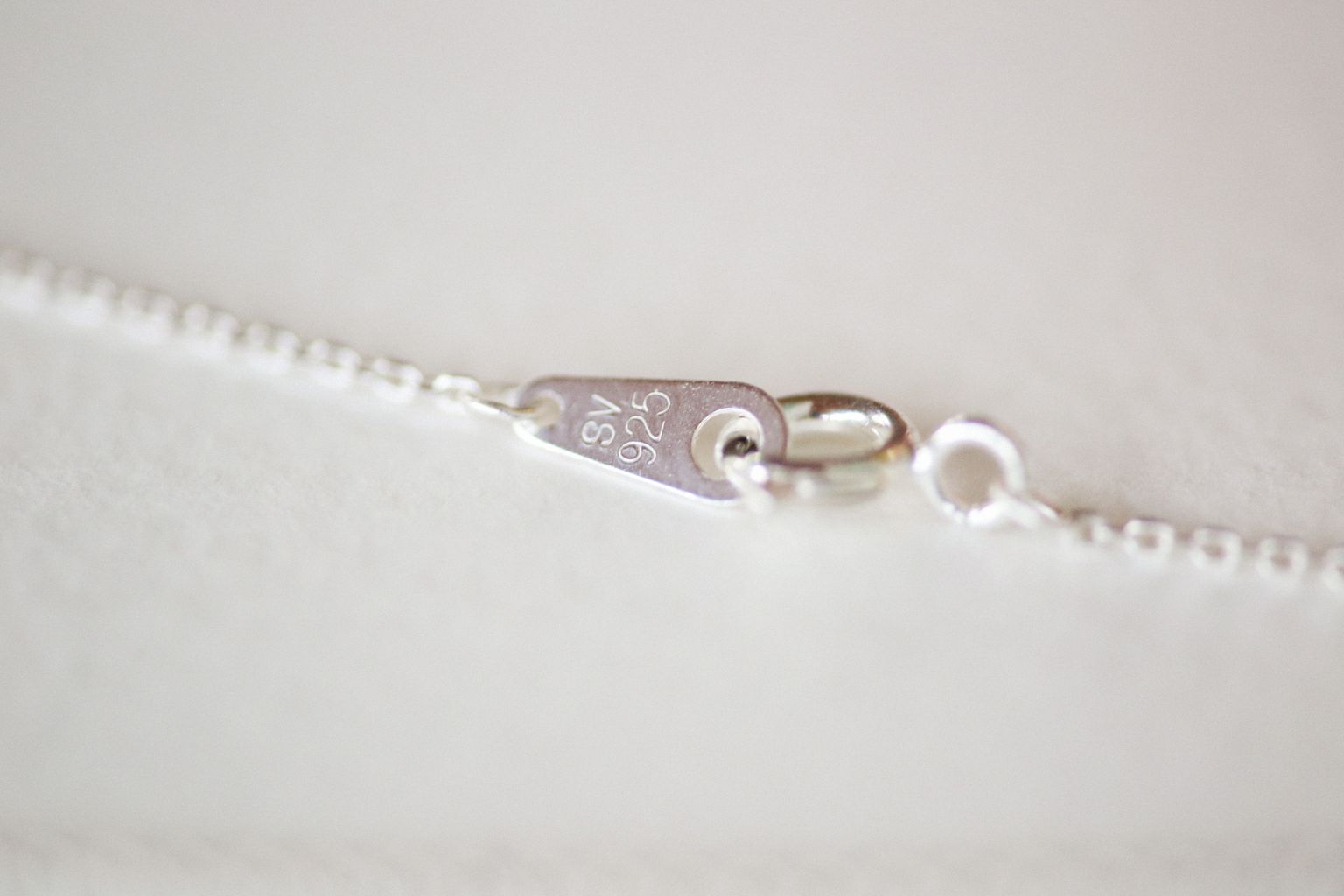
A tiny “925” stamped inside a ring or on a necklace clasp means the piece is sterling silver: 92.5% pure silver mixed with 7.5% other metals. That little number is a quality mark telling you what the metal is actually made of, not a serial number or a random code. It’s one of the most common stamps in the world of jewelry, and it shows up on everything from rings to earrings to gold-toned pieces. Below, you’ll find exactly what 925 means, why it’s there, whether it counts as “real” silver, and how to check if the stamp is telling the truth.
What Does 925 Mean on Jewelry?
925 means the metal is 92.5% pure silver, with the remaining 7.5% made up of other metals, usually copper. That exact blend has a name: sterling silver. So when a piece is stamped 925, “925 silver” and “sterling silver” are two ways of saying the same thing.
Pure silver on its own is too soft to hold up as jewelry. It bends, scratches, and loses shape fast. Adding 7.5% copper keeps the bright silver color while making the metal strong enough for daily rings, chains, and clasps. The 925 stamp is the shorthand that confirms this ratio.
You’ll also see it written as “.925,” “S925,” or “925 STER.” They all point to the same thing: sterling silver.
Why Is Jewelry Stamped With 925?
The stamp is a hallmark, a small mark that certifies the metal content. Jewelers and manufacturers use it so buyers know what they’re paying for without cutting the piece open or running a lab test.
Think about the moment you’re deciding whether a $40 chain is worth it. You flip the clasp, spot the 925, and you know the base metal is genuine sterling silver rather than a silver-colored alloy. That’s the whole point of the mark: quick proof of quality. In many countries, stamping precious-metal content is also expected practice, which is why reputable pieces almost always carry it.
Is 925 Real Silver?
Yes. 925 is real silver, and specifically it’s sterling silver, the standard used for the vast majority of quality silver jewelry sold today. It isn’t silver-plated, and it isn’t fake. The only sense in which it’s “not pure” is that it’s deliberately mixed with 7.5% other metal to make it durable.
Is 925 the Same as Sterling Silver?
They’re the same thing. “Sterling silver” is the name of the alloy; “925” is the number that states its silver content. If a piece is stamped 925, it is sterling silver by definition.
925 vs. Fine Silver (999)
Fine silver is stamped 999, meaning 99.9% pure silver. It sounds better on paper, but it’s soft and dents easily, so it’s rarely used for rings or bracelets that take daily wear. Sterling (925) is the sweet spot: nearly all silver, but tough enough to actually wear. For everyday jewelry, 925 is usually the smarter choice, not the lesser one.
| Stamp or type | Silver content | Durability | Best for |
| 999 (fine silver) | 99.9% silver | Soft, dents easily | Bullion and delicate pieces |
| 925 (sterling silver) | 92.5% silver + 7.5% other metal | Tough enough for daily wear | Rings, bracelets, necklaces, everyday jewelry |
| Silver-plated | Thin silver layer over base metal | Plating wears off over time | Costume and fashion jewelry |
What Does 925 Mean on a Ring, Necklace, or Bracelet?
The meaning doesn’t change from piece to piece. On a ring, a necklace, a bracelet, or a pair of earrings, 925 means the same thing every time: the metal is sterling silver, 92.5% pure.
The only difference is where you’ll find the stamp. On rings, check the inside of the band. On necklaces and bracelets, look on the clasp or a small tag near it. On earrings, it’s often on the post. The mark is tiny, so a phone camera zoom or a loupe helps.
What Does 925 Mean on Gold Jewelry?
This is where people get caught out. When you see 925 on gold-colored jewelry, it usually means the piece is sterling silver underneath, with a thin layer of gold on top. That’s called gold vermeil (when the plating meets a certain thickness) or gold-plated sterling silver.
So “925 gold” is not solid gold. The 925 is telling you the core metal is sterling silver; the gold is a coating on the surface. It’s a real, legitimate way to get a gold look at a sterling-silver price, and vermeil in particular is good quality. Just know what you’re buying: the value sits in a sterling-silver base, not a block of gold.
Is 925 Real Gold?
No. Solid gold is marked with its karat purity instead, using stamps like 375 (9k), 585 (14k), or 750 (18k). If a gold-toned piece says 925, the gold is on the surface and the body is silver.
Is 925 Silver Worth Anything?
It has real value, though usually a modest one. Sterling silver carries the worth of its actual silver content, so a heavier piece is worth more at melt than a thin, lightweight one. On top of that, design, brand, and craftsmanship add value, which is why a well-made sterling piece sells for far more than raw melt price.
925 won’t hold value like solid gold or platinum, but it isn’t costume junk either. It sits in the middle: an affordable precious metal that’s genuinely worth something, especially in well-crafted or designer pieces. If you love designer accessories, the same logic applies to items like a Louis Vuitton bracelet or Chanel earrings, where the name and craftsmanship carry much of the value.
Does 925 Sterling Silver Tarnish?
Yes, it does, and that’s normal. The 7.5% copper in sterling silver reacts with air, moisture, and sulfur over time, leaving a dull or dark film on the surface. It isn’t a sign of a fake; even genuine sterling tarnishes.
The good news is it’s easy to reverse. A soft polishing cloth brings the shine back in minutes, and storing pieces in a dry spot or a small zip bag slows tarnish down a lot. A few habits help:
- Take silver off before showering, swimming, or applying lotion and perfume.
- Keep it away from household chemicals and chlorine.
- Store pieces separately so they don’t scratch each other.
- Wear it often; skin oils actually help keep light tarnish at bay.
Is 925 Silver Hypoallergenic?
For most people, yes. Sterling silver is generally gentle on skin and a common pick for sensitive ears and reactive skin. The thing to watch is the 7.5% alloy: if it contains nickel, someone with a nickel allergy may still react. Quality sterling is usually nickel-free and mixed with copper instead.
If your skin sometimes turns green under a silver piece, that’s usually the copper reacting with moisture and skin acids, not a sign the silver is fake. It’s harmless and washes off, and a quick clear coat of jeweler’s lacquer on the inside of a ring can prevent it.
How to Tell if 925 Silver Is Real
The stamp alone isn’t a guarantee, since fakes can be stamped too. A few quick checks tell you whether the metal lives up to the mark.
Check the hallmark
Start with the stamp itself. Genuine pieces are marked 925, .925, S925, or “sterling.” No mark at all on a piece sold as silver is a red flag, though some very old or handmade items are exceptions.
Try the magnet test
Silver is not magnetic. Hold a strong magnet to the piece; if it pulls or sticks, the core isn’t sterling silver. If nothing happens, that’s a good sign (though not proof on its own).
Use the ice, cloth, and smell checks
Silver conducts heat unusually fast, so an ice cube placed on it melts quicker than you’d expect. Rub the piece with a soft white cloth: real silver leaves black marks (that’s oxidation). And give it a sniff; genuine silver is odorless, while a strong metallic smell hints at a copper- or nickel-heavy fake.
When in doubt, ask a jeweler
For anything valuable, a professional acid test or an XRF scan at a jeweler settles it in minutes without damaging the piece. It’s worth doing before a big purchase or resale.
Conclusion
The 925 stamp is simply a promise about the metal: 92.5% pure silver, mixed with 7.5% other metal to make sterling silver that can survive daily wear. It’s real silver, it shows up the same way on rings, necklaces, and bracelets, and on gold-toned pieces it means sterling silver under a layer of gold rather than solid gold. Now that you can read the stamp and run a couple of quick tests, you’ll know exactly what you’re buying. For more on accessories worth knowing, see our guides on the Rolex watch and Chanel earrings, or browse more style guides on the homepage.
Frequently Asked Questions
Q. Is 925 real silver?
A. Yes. 925 is sterling silver, made of 92.5% pure silver and 7.5% other metal (usually copper). It’s genuine silver, just alloyed for durability rather than left in its soft pure form.
Q. What does 925 mean on gold jewelry?
A. It means the piece is sterling silver with a gold coating on top, known as gold vermeil or gold-plated silver. It is not solid gold; solid gold uses karat stamps like 585 or 750 instead.
Q. Does 925 silver tarnish or turn skin green?
A. It can do both, and neither means it’s fake. Tarnish is the copper reacting with air and wipes off with a polishing cloth. Green skin is copper reacting with moisture; it’s harmless and washes away.
Q. Is 925 sterling silver worth buying?
A. Yes, for most everyday jewelry. It’s a genuine precious metal that balances a high silver content with real durability, at a far lower price than gold or platinum. Well-made or designer sterling pieces hold value best.