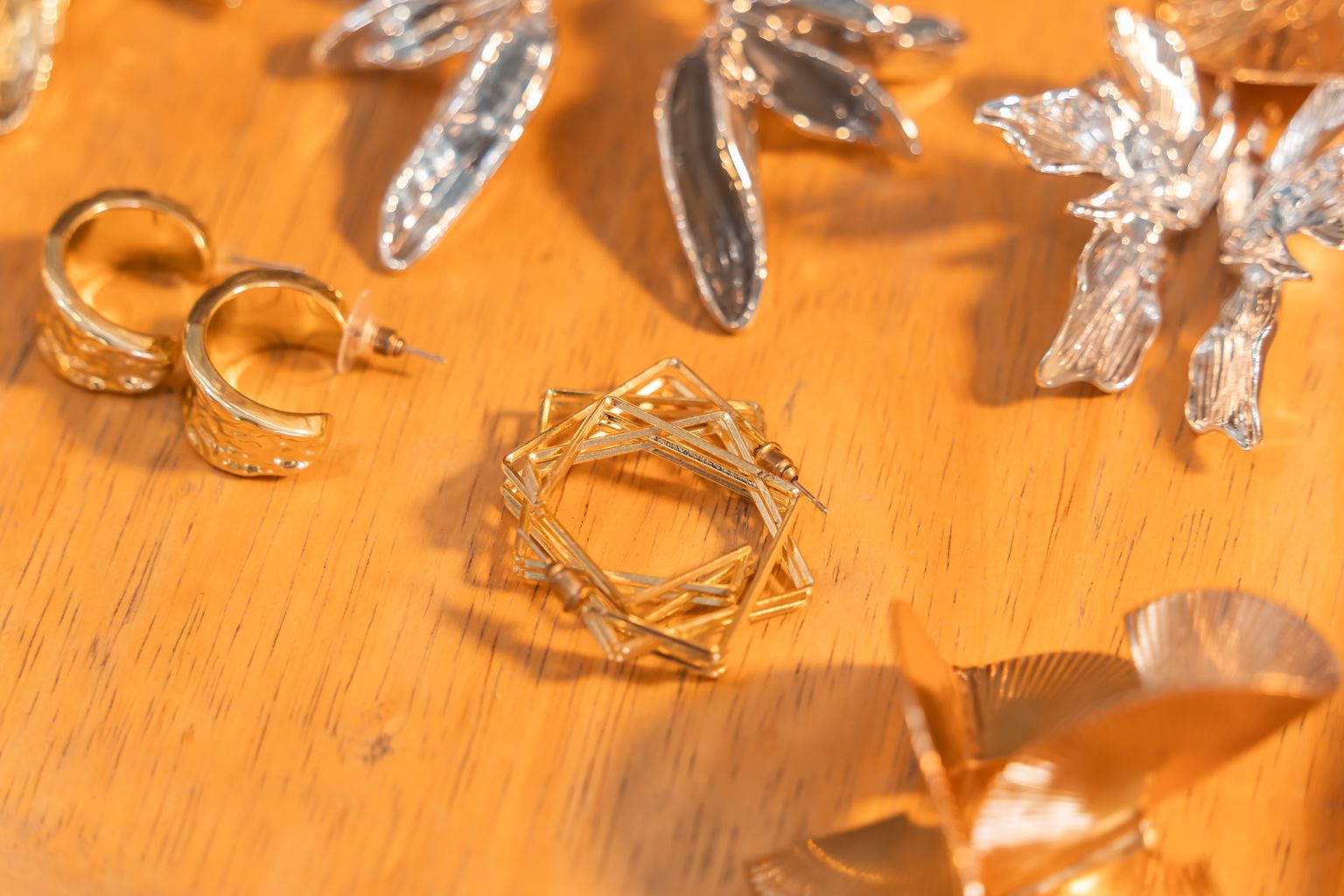

For a long time, grandmothers and jewelers alike treated mixing metals as a style mistake. Put “can you wear gold and silver together” to a stylist today and you’ll hear the opposite: yes, and a good mix usually looks more interesting than sticking to one metal. The old “never mix metals” rule came from a time when jewelry was sold in matching sets and a coordinated look signaled good taste. Today most designers mix metals on purpose, two-tone watches are standard, and plenty of engagement rings pair a yellow gold band with a white metal setting. What makes a mixed look work is intention, mostly a clear lead metal plus at least one piece that ties the two tones together. This guide covers exactly how to do that across necklaces, rings, bracelets and watches, plus the few situations where one metal really is the better call.
Can you wear gold and silver together, or is it still a fashion mistake?
It hasn’t been a mistake for years. The rule against mixing metals was always about etiquette, and color theory never backed it up. Gold is warm and silver is cool, so people assumed they’d clash the way orange and pink were once said to clash. In practice they behave like neutrals. Think of gold as camel and silver as grey: you’d happily wear a camel coat over a grey sweater, and metals work the same way.
The shift happened gradually. Luxury houses started releasing two-tone pieces as signature designs, and street style made layered, collected-looking jewelry the norm. Once people stopped buying jewelry in sets and started building collections piece by piece, mixing became almost unavoidable. Your watch might be steel, your wedding band yellow gold and your favorite hoops sterling silver. Wearing them together is simply wearing what you own.
So once you know you’re allowed, the real work is making the mix look chosen rather than accidental.
Why mixing gold and silver jewelry works
There are a few real advantages to wearing gold and silver together, beyond the fact that it’s allowed.
It doubles what your jewelry box can do
If you only wear one metal, every new outfit has to suit that metal. Mix them and your whole collection opens up. A silver cuff you rarely wear suddenly has a job next to your everyday gold chain. You get more outfits out of the same pieces without buying anything.
It looks personal
Matching sets can read a little formal and store-bought. A mixed stack looks like it was collected over time, with gifts and travel finds sitting next to the pieces you saved up for. That lived-in quality is exactly what people try to recreate when they style mixed metals on purpose.
It solves the skin-tone question
You’ve probably heard that warm undertones suit gold and cool undertones suit silver. There’s some truth to it, but mixing takes the pressure off. Keep your favorite-flattering metal closest to your face, near your neck and ears, and use the other metal on your hands and wrists, where undertone matters much less.
How to wear gold and silver together: 7 rules that make it look intentional
These are the guidelines stylists use. You don’t need all seven at once, but the first three will fix most mixed looks.
1. Pick a lead metal
Decide which metal is in charge. If most of what you’re wearing is gold, silver becomes the accent, or the other way round. An even 50/50 split can work, but it’s harder to pull off and often looks undecided. A clear lead metal gives the eye somewhere to rest.
2. Use the 2:1:1 rule
A simple formula many jewelers recommend: two pieces in your lead metal, one piece in your accent metal and one piece that already combines both. For example, two gold chains, one silver bangle and a two-tone ring. It’s an easy way to get balance without overthinking it.
3. Add a bridge piece
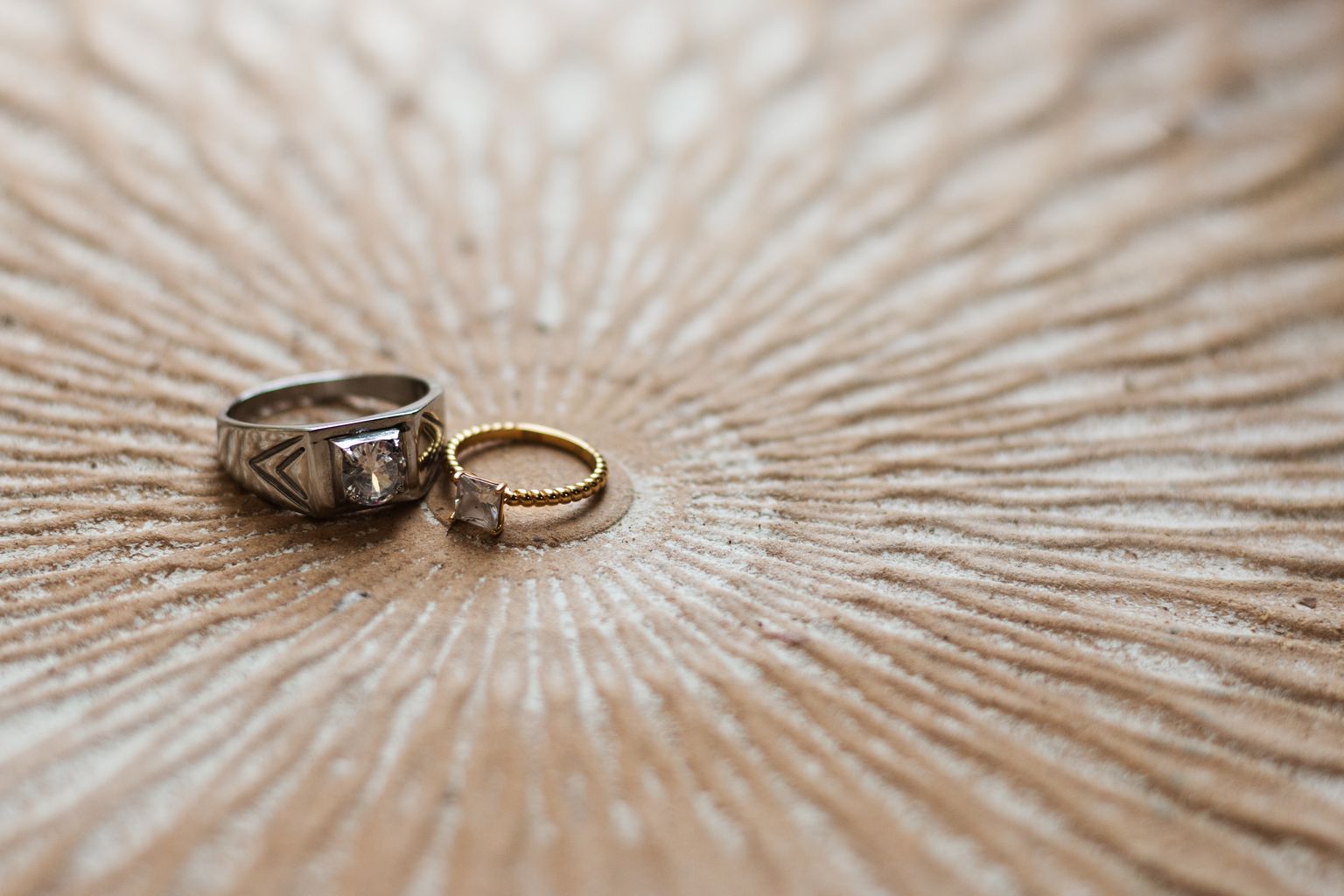
A bridge piece contains both metals, so it connects everything else. Two-tone watches, rings with a gold band and silver setting, chains with alternating links, or a silver pendant on a gold chain all count. If a mixed look feels off, adding one bridge piece is usually the fix.
4. Repeat each metal at least twice
A single silver ring on a hand full of gold can look like you forgot to take it off. Repeat the accent metal somewhere else, maybe silver studs to echo that ring, so it reads as a choice.
5. Match the finish, not the color
Metals mix more easily when their finish is similar. Polished gold next to polished silver looks cohesive. Brushed gold with brushed silver works too. Mixing a high-shine gold chain with a heavily oxidized silver pendant is possible, but it’s a bolder look, so try it once you’re comfortable with the basics.
6. Keep the scale consistent
Delicate gold chains next to a chunky silver collar can look like two outfits fighting. Keep pieces in a similar weight class, or make one piece the obvious statement and keep everything else fine and quiet.
7. Start small
If you’re new to wearing gold and silver together, begin with your hands. A mixed ring stack is low risk, easy to adjust through the day and doesn’t compete with your outfit’s neckline.
Styling gold and silver by jewelry type
Every category has its own logic. Here’s how to handle each one.
Can you wear gold and silver chains together?
Yes, and layered necklaces are one of the easiest places to mix. Start with your shortest, finest chain and build down in length, alternating metals or grouping them (two gold, then one silver). Keep 2 to 5 cm between each layer so the chains don’t tangle into one blob. A mixed-link chain in the middle acts as your bridge.
Mixing gold and silver rings
Treat each hand as a small composition. A popular approach is to keep one hand mostly gold and the other mostly silver, then add one crossover ring on each. If your engagement ring or wedding band is one metal, let it lead on that hand and add the accent metal on a different finger rather than stacking it directly against the band.
Silver and gold bracelets together
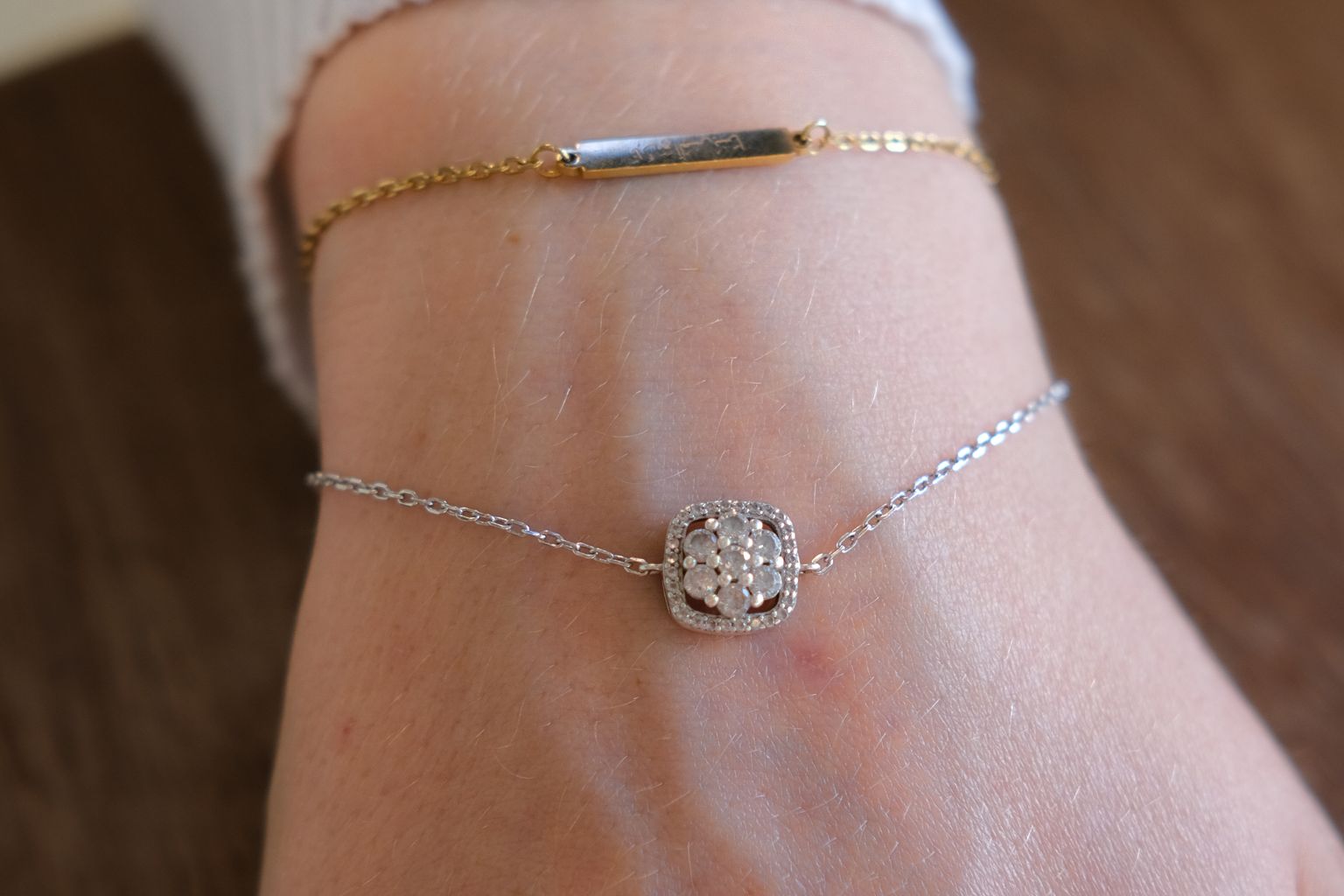
Wrists are where mixing looks most natural, especially with a watch. Stack a few thin bangles in both metals, or pair a silver cuff with a gold tennis bracelet. Group similar textures together. Mixing too many chain styles plus bangles plus beads in two metals can get busy fast.
Earrings and the face
Earrings sit near your face, so this is where undertone matters most. Choose the metal that flatters you here. Mismatched earrings (a gold hoop in one ear, a silver stud in the other) can look great on multiple piercings, and a classic like the Chanel CC earrings already mixes metals and stones in some versions.
Watches as your anchor
A watch is often the biggest metal piece you wear, which makes it the perfect anchor. Two-tone watches, like the steel-and-gold Rolesor pieces covered in our Rolex watch guide, practically invite mixed jewelry around them. If your watch is steel, gold bracelets beside it look relaxed and modern.
Which metal tones pair best?
“Gold” and “silver” each cover several shades, and some combinations are easier than others.
- Yellow gold + sterling silver: the classic contrast. Warm against cool, very visible, best with a bridge piece.
- White gold + sterling silver: barely a mix at all, since white gold is usually rhodium-plated and looks close to silver. Great for beginners.
- Rose gold + silver: softer and romantic. Rose gold has enough warmth to contrast with silver but doesn’t shout like yellow gold.
- Yellow gold + oxidized silver: moody and vintage, good for boho or casual styling.
- All three golds + silver: possible, but give yourself a lead metal or it becomes noise.
| Metal combination | How it looks | Best for |
| Yellow gold + sterling silver | Classic warm-cool contrast, very visible | Confident mixers; add a bridge piece |
| White gold + sterling silver | Barely reads as a mix | Beginners |
| Rose gold + silver | Soft and romantic | Subtle, feminine stacks |
| Yellow gold + oxidized silver | Moody and vintage | Boho or casual styling |
| All three golds + silver | Busy unless one metal leads | Experienced stackers with a lead metal |
If you’re unsure what your silver actually is, check the stamp. Sterling silver is 92.5% pure silver alloyed with other metals, usually copper, which is what the “925” mark means. We break down the stamp in detail in what does 925 mean on jewelry, and the sterling silver entry on Wikipedia has more on its history and composition.
When to stick to one metal
Mixing works almost everywhere, but a few moments call for restraint.
Formal events and black tie. With a gown or tuxedo, one metal often looks cleaner and lets a statement piece shine. If you do mix, keep it to a two-tone watch or a single bridge piece.
Bridal looks. Many brides match their jewelry to the engagement ring. That said, a gold band with a platinum or white gold setting is extremely common, so mixing is fine if it reflects your rings.
Outfits with lots of hardware. If your bag, belt buckle and shoes all have gold hardware, adding a lot of silver can make the outfit feel scattered. Let the hardware set your lead metal.
Cultural customs. In parts of South Asia, many families traditionally wear gold above the waist and silver for anklets and toe rings. If you follow that custom, you’re already mixing metals, just by body zone.
Is it tacky to wear gold and silver at the same time?
Only if it looks careless. Tacky mixed looks usually have the same problems: no lead metal, pieces in totally different styles, too many statement items at once, or one lonely piece in the “wrong” metal. Fix those and you’re fine. The easiest test is a quick mirror check. If your eye jumps around looking for where to land, remove one piece. If the look feels calm and connected, you’re done.
Caring for mixed-metal jewelry
Silver and gold age differently, so a little care keeps them looking good side by side.
Silver tarnishes when it reacts with sulfur in the air, which forms a dark film. Gold, especially higher karats, doesn’t tarnish in the same way. That means a polished gold chain beside a tarnished silver one can suddenly look mismatched. Wipe silver with a polishing cloth regularly, and store it in an anti-tarnish pouch.
Store them separately. The tarnish won’t jump onto your gold, but harder pieces can scratch softer ones when they rub together in a drawer. Small individual pouches or a lined box with compartments solve this.
Two-tone pieces need gentle cleaning. Warm water, a drop of mild soap and a soft brush is safe for most gold and sterling silver. Skip harsh dips on anything plated or set with soft stones.
Conclusion
So, can you wear gold and silver together? Absolutely, and doing it well comes down to a few simple habits: pick a lead metal, repeat your accent metal, add a bridge piece and keep the scale consistent. Start with a mixed ring stack or a layered necklace, then work up to bolder combinations once you trust your eye. For more jewelry and styling help, browse the latest guides on FashionVise.
Frequently Asked Questions
Q. Is it ok to wear gold and silver together?
A. Yes. Mixing metals is widely accepted and used by jewelry designers, stylists and luxury brands. Choose a lead metal, repeat each metal at least twice and add a two-tone bridge piece for the most polished result.
Q. Do silver and gold go together?
A. They do. Gold and silver act like neutrals, much like camel and grey in clothing. Keep the finishes and scale similar and they’ll look intentional rather than accidental.
Q. What is the 2:1:1 rule in jewelry?
A. It’s a balance formula: two pieces in your lead metal, one piece in your accent metal and one piece that combines both. For example, two gold necklaces, a silver ring and a two-tone bracelet.
Q. Can you mix gold and silver jewelry with a gold engagement ring?
A. Yes. Let your engagement ring lead on that hand, then add silver or white gold on other fingers or on the opposite hand. A two-tone band nearby can connect the two.
Q. Does rose gold and silver go together?
A. Yes, and it’s one of the gentlest mixes. Rose gold’s pink warmth contrasts softly with silver, making it an easy starting point if yellow gold and silver feel too bold.
Q. Is it okay to keep gold and silver together in storage?
A. It’s better not to. Silver’s tarnish won’t spread to gold, but the pieces can scratch each other. Store them in separate pouches or compartments.